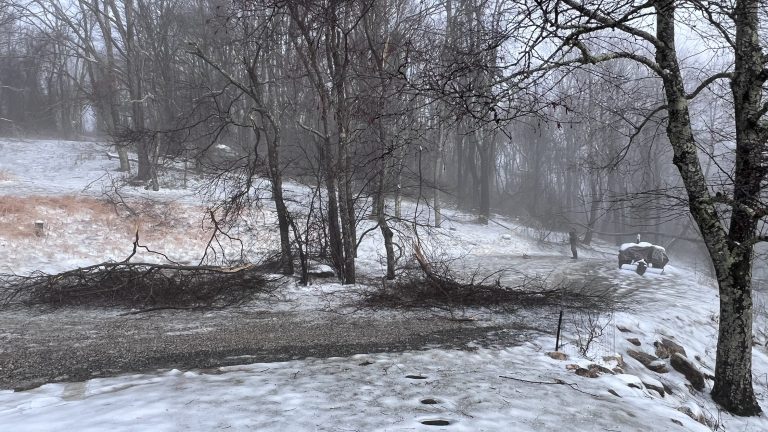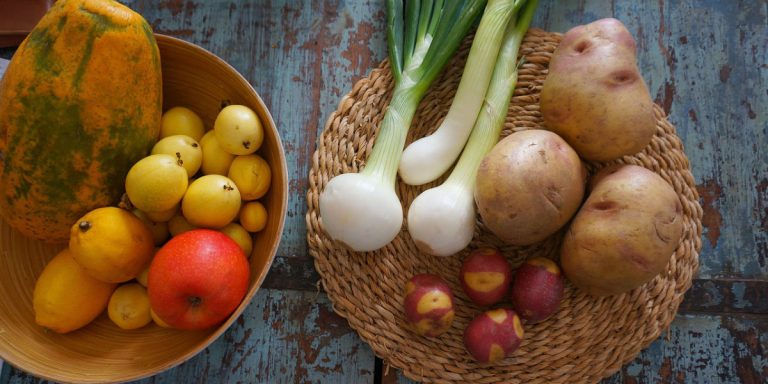

I spent much of my time online this year on the Floyd Native Plants Facebook page. I reposted ecology and gardening memes and posted photos of my garden, paying special attention to the pollinators; seeing more than five kinds of bumble bees and a bumble bee queen! This is what I threw up on my homepage as of September 10, 2024, to kind of explain why my website was so neglected.
September 10, 2024
I am obsessed with ecological restoration, observing the natural world, interacting and tinkering, learning. Most of this focus is spent in my garden, the cleared areas around the house, and distantly, the woods on the property. I can’t call it a yard, and I can’t call my care of it “landscaping.”
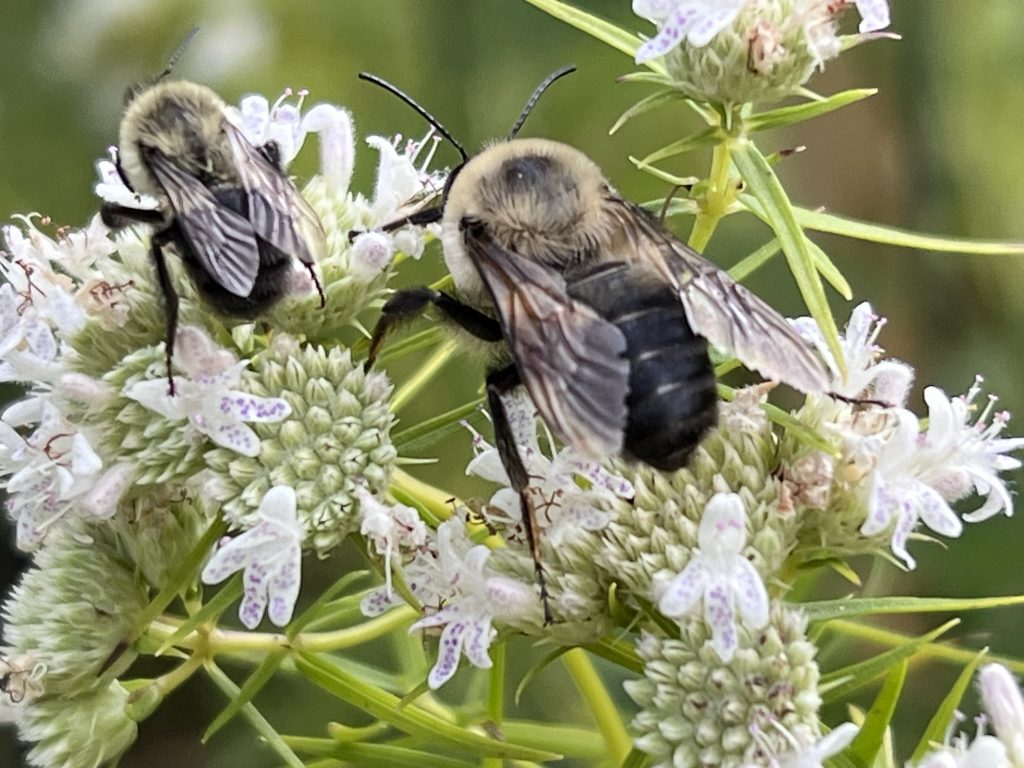
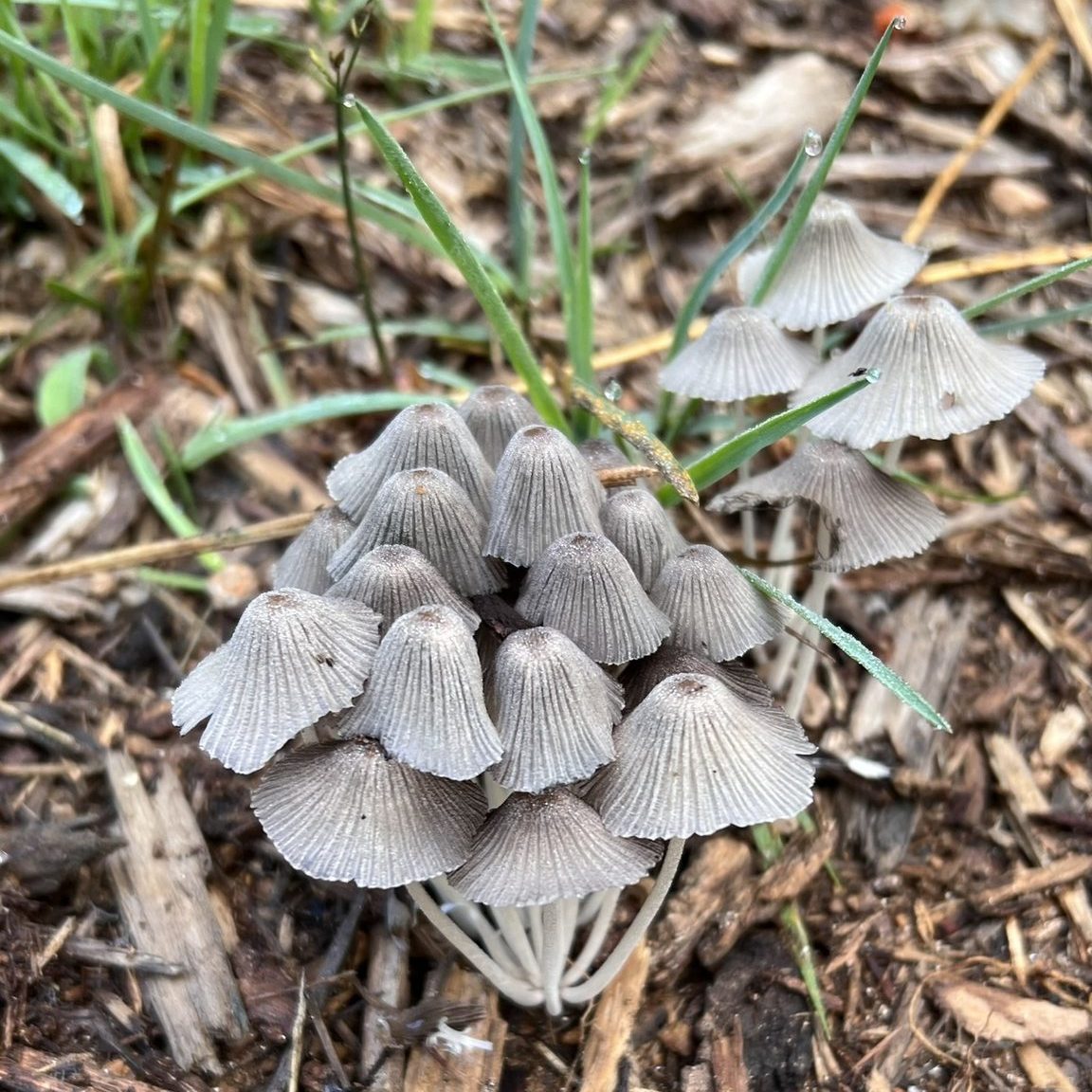
Rather than yardwork or landscaping, it feels more like a face plant into the local ecosystem. It’s like a constant learning challenge, alternately a challenge and pleasure. Ostensibly to create a haven for beneficial insects, birds, wildlife, and healthier living systems. I indulge in constant pottering and photographing, using iPhoto for plant and insect ID. So, I’ve been learning. I know most of the species here. Not all the grasses yet 🙂 but almost all the non-descripts and trees. Every time I learn a whole new body of knowledge, things change as I keep intervening. I actually have begun to regularly see mushrooms. Can you imagine almost no mushrooms since I first came here in 2015? Seeing them this year for the first time feels like a good sign.
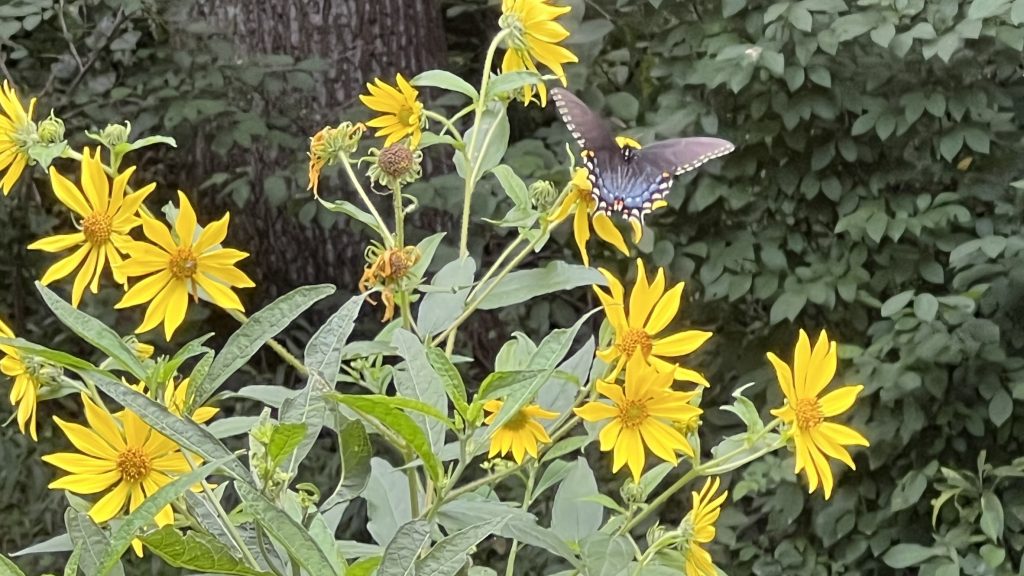

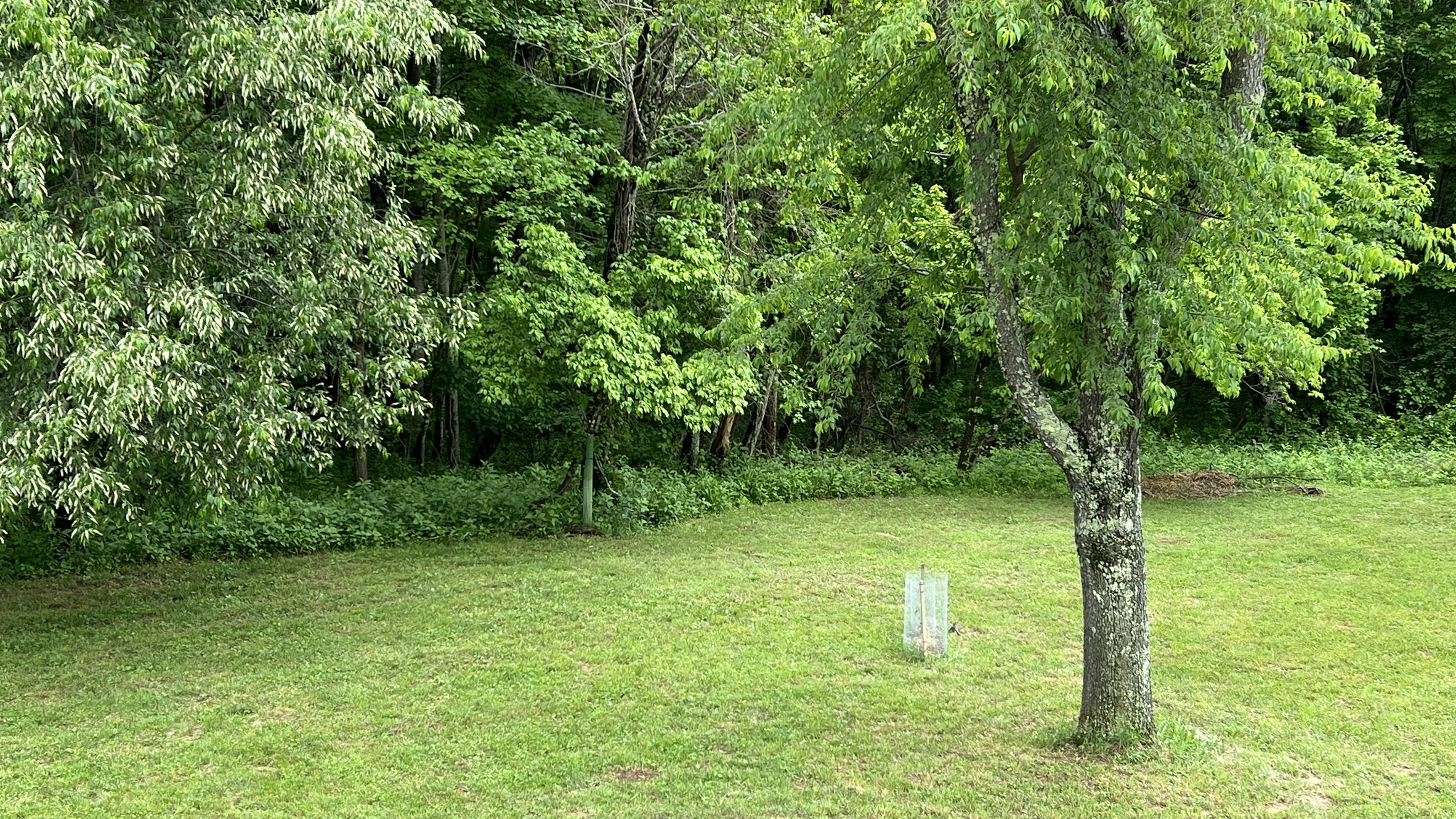
Our steep hillside property was a cleared cattle pasture into the 1960’s – I’ve seen the pictures. The fields were let go in the 1970’s and the resulting woods are now 50 ft? tall. They resound with the song of katydids in the summer, the wind and the rain in the trees that sometimes sounds like the ocean, and the occasional car/chainsaw, motorcycle noise from the neighborhood (just so you know it’s not quite idyllic). Invasive species are pushing into the woods – particularly Asian Bittersweet and Multiflora Rose, though I’m making headway. I’ve never had flowers here other than the spring-blooming trees (locust, cherry, hawthorn, dogwood). When I drove around Floyd, I only ever saw the blue roadside chicory, and sometimes fall goldenrod and stickweed.

At last, I saw that this lack of pollinator nectar offered me something simple to do. That led to Floyd Native Plants and the 2023 Wildflower Wednesday project, which eventually gave away 3,000 native wildflower plugs to the Floyd community. Since then, I’ve planted hundreds of native wildflower seedlings, watched pollinators, made a gazillion mistakes and learned so much. Much of what I do is weed out invasive species: stiltgrass, multiflora rose, asian bittersweet, golden foxtail grass.

Invasive species removal isn’t sexy, but it can actually be a great way to learn about the local ecosystem. What shows up when you weed teaches you so much. These days, mostly natives are filling in behind my weeded invasives, one of the blessings of living in a place like Floyd where the native seedbank is still relatively intact. One of my native volunteers this year was Virginia Cutgrass (Leersia virginica) which looks so much like Japanese Stiltgrass (Microstegium vimeneum) and is growing in spots where I weeded out the stiltgrass! That felt like a little blessing.